
How to Do Demonetisation Well

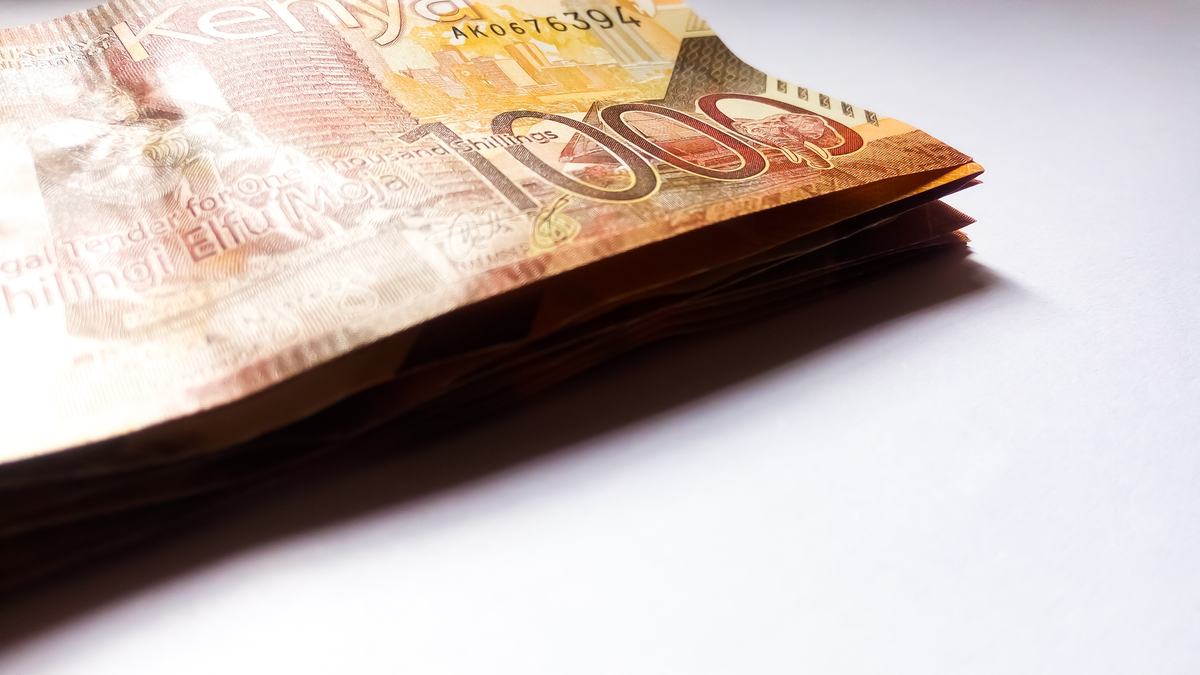
In 2019 the Central Bank of Kenya (CBK) demonetised the KES 1,000 banknote. It has issued a comprehensive report on its experience that offers interesting lessons for any central bank planning such an exercise 1.
CBK had two key motivations for demonetising the KES 1,000, a high level of counterfeiting and illegal financial flows (IFFs) from tax evasion, revenues from criminal activity and public corruption. At the time KES 1,000 was worth about $7. The KES 1,000 accounted for 80.3% of the total value in circulation and was also widely used outside of Kenya in the East African economy.
Areas of focus
Given the predominance of this denomination, CBK paid close attention to the experience of other countries when they demonetised, particularly the 2016 demonetisations in India and Pakistan but also the UK’s 2018 announcement of the plan for the polymer £50 transition and ECB’s 2002 changeover to the euro. Based on this CBK focused in four main areas.
Subscriber content
Read the full article
Full access to Cash & Payment News™ articles, newsletters and archives.